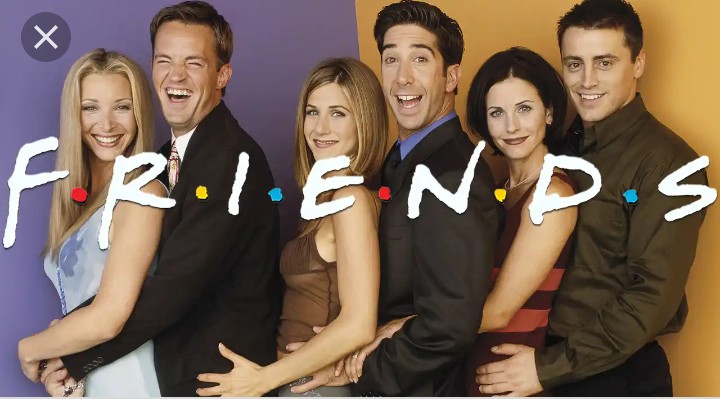
You are affected far more than you think by the people you spend your time with. Do your friends share your values? Do they encourage you when you speak of your goals and dreams or do they scoff? Make sure the people around you are conducive to the lifestyle you want to lead or you will find yourself being dragged again and again into behavior that distances you from your desires. Friends with a habit of producing negative thoughts will especially hinder you. This can be a hard task to follow through with if you realize you good friend is one of these saboteurs, but you must be firm! Don’t let anyone get in the way of you being all that you can be. Have a productive week ahead!
Do What You Love.
There is a huge difference between making a life and making a living; which one are you making right now? So many spend their entire lives trying to make as much money as possible so that they can afford to do what they really want later. It makes no sense to settle in life until you’re 65 so that you can retire and do what you want when you’re already WAY past your prime. We only live life once so why wouldn’t you want to spend it pursuing your bliss? To do anything else would be a tragic waste of the freedom you are allowed if you are reading this right now. Follow your bliss and you will be a thousand times more happy than your retirement date and 40+ years younger. But first you need to figure out what you love to do…
While making a living don’t forget to make a life….
Compassion at workplace
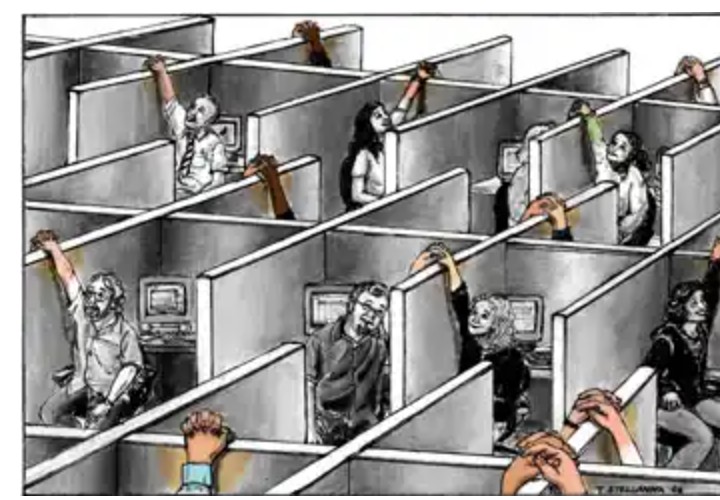
“If you want others to be happy, practice compassion. If you want to be happy, practice compassion.”—The Dalai Lama
Compassion, which means “co-suffering”, is a positive emotion that allows people to show that they care and are willing to help. Practicing and showing compassion has the ability to spread harmony in any environment, making it ideal for the workplace. In psychology, compassion is considered as more of an action instead of an emotion. Combining care, empathy, and love, being compassionate helps alleviate the suffering of others.
Benefits of compassion in workplace
First of all, managers often mistakenly think that putting pressure on employees will increase performance. What it does increase is stress. 52% of employees have report that workplace stress has led them to look for a new job, decline a promotion, or leave a job and research has also shown that high levels of stress carry a number of costs to employers and employees alike. I found out that when leaders were fair and self-sacrificing, their employees would experience elevation.
It is important to also note that focusing on workplace compassion encourages healthy interpersonal relationships. It allows people to recognize and appreciate others sincerely, and work to benefit the organization instead of just oneself. Being compassionate with colleagues doesn’t just affect both parties, but also has a positive impact on the performance culture in general. As a consequence, they felt more loyal and committed and were more likely to act in a helpful and friendly way with other employees for no particular reason. In other words, if a manager is service-oriented and ethical, he is more likely to make his employees follow suit and to increase their commitment to him or her. Furthermore, workplace compassion also promotes employee engagement, dedication, and loyalty. Employees who work together with compassion are more likely to cooperate and help each other out.
I strongly believe that when organizations promote an ethic of compassion rather than a culture of stress, they may not only see a happier workplace but also an improved bottom line.
Despite the above points, managers may shy away from compassion for fear of appearing weak. Yet history is filed with leaders who were highly compassionate and very powerful—Mother Teresa, Martin Luther King, and to name a few. They were such strong and inspiring leaders that people would drop everything to follow them. Wouldn’t any manager wish for that kind of loyalty and commitment?
To sum it up, the point that compassion plays a vital role in all fields cannot be overemphasize; in our medical field we need more of compassionate Drs and nurses because compassion has the power to increase healing and coping in our patients.
Compassion is an essential element in society and is vital to the survival of the human race. Individuals and groups with power (i.e., police, policymakers, politicians, etc.) have an opportunity to contribute to more healthy, peaceful communities by practicing and promoting compassion.
By remembering history— including where compassion was both lacking and in abundance— human beings will be more empowered to make compassionate and meaningful life choices. This is the first step toward creating the the loving and peaceful society imagined by so many of us.
Self Compassion
Imagine a world without the countless individuals who risked their own lives to save others during wartime. Imagine a world without those who’ve run into burning buildings or executed other heroic feats of rescue during times of trauma. It’s unthinkable.
Benefits of Compassion
A. The combination of self-compassion and optimism is beneficial for depression-vulnerable people.
B. Self-compassion is linked to various aspects of general well-being and it buffers the negative impact of stress
C. Compassion is related to increased happiness and it also related to higher levels of well-being
D. Self-compassion has a number of proven psychological benefits, such as reduced PTSD symptom severity and lower levels of psychopathology in general.
E. Compassion promotes social connection among adults and children. Social connection is important to adaptive human functioning, as it is related to increased self-esteem, empathy, well-being; and higher interpersonal orientation
F. Compassion within classrooms is related to increased cooperation and better learning, teach your kids and students compassion in school and at home just the same way you teach them about religion.
What can I do to be more compassionate?
Be altruistic; We can be more compassionate by moving beyond our comfort zones and helping individuals or engaging in service work as a way of helping people, animals, and our communities. Altruistic behaviors also improve the self-esteem and well-being of those who offer them.
Avoid judgment; It is impossible to know the factors that have led a person toward their current predicament; nor how we would fare in the same situation. Considering our own similarities to others in need will help to promote empathy and compassion.
Practice gratitude;Reflecting on the things in your life that you appreciate will foster a sense of compassion for those less fortunate.
Be kind to yourself; Sometimes we are our own worst enemies. Remember that all human beings are flawed and will make mistakes; ongoing rumination and self-loathing serves no benefit to you or anyone around you. Instead, practice self-forgiveness and coping tools that will help you to move forward in a more positive way.
Self Compassion.
Self-compassion is different than self-esteem. Self-esteem depends on our accomplishments and on others’opinions of us. However, self-compassion involves a consistent attitude of acceptance and kindness toward ourselves, no matter what.To practice self-compassion, begin by noticing how you talk to yourself. If you notice that your thoughts are usually critical, negative, or judging, examine how you can shift them. Imagine speaking to yourself as you would speak to someone you love and want to comfort.
In addition to offering compassion to others, we need to offer it to ourselves. Research on self-compassion shows that it has multiple positive benefits, including
Better ability to relate to others, increased happiness, agreeableness, conscientiousness, greater optimism, more positive mood, decreased stress, stonger personal initiative, a sense of curiosity and exploration.
Conclusively, Nemo Dat Quod non Abet; you cannot give what you don’t have. You have to be 💯 percent compassionate to yourself before you can extend your compassionate heart and mind to your neighbors, you co-workers, your friends, families, and strangers.
Compassion 1
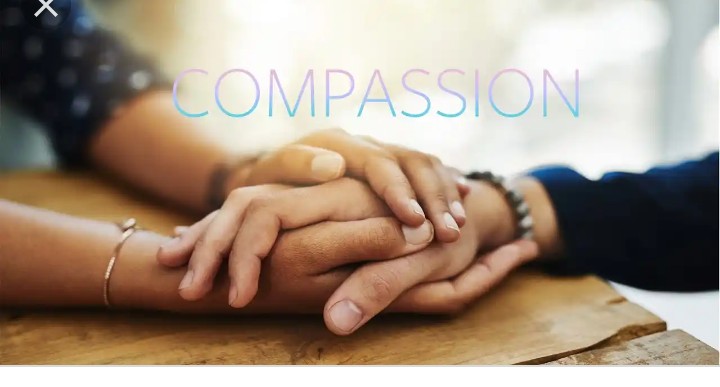
If animals can be compassionate, what’s stopping human being from been compassionate. Yes, compassion is evident among other animal species, such as monkeys, whales, elephants, and so many more. And of course, dogs and cats have been known to show endless amounts of unconditional love and compassion for humans. The Dalai Lama said “Compassion reduces our fear, boosts our confidence, and opens us to inner strength.”
Compassion is as vital to life as the air we breathe. For in the absence of compassion, how many benevolent, selfless and heroic deeds would have happened throughout history?
Imagine a world without Mother Teresa, Funmilayo Ransome Kuti, Obafemi Awolowo, Mary Slessor, MKO Abiola, Herberty Macaulay Martin Luther King, Jr., St. Francis of Assisi, Nelson Mandela, Mahatma Gandhi, and so many others.
The World Health Organisation (WHO) estimates that one in four of us will experience a mental health problem in our lifetimes, yet many of us most in need of mental health services and support often go without it, there is therefore great need to be compassionate about oneself and towards people around us since our mental health facilities are not really accessible and affordable. We can not only improve our own mental wellbeing and self-kindness, but can also help to reduce the stigma often associated with mental illness that can limit one’s willingness to seek help when needed.
What Is Compassion?
Compassion is defined as the ability to understand the emotional state of another person. Moreover, it encompasses understanding our own emotional state. As a result, compassion motivates us to help and support others—and ourselves. It inspires us to do what we can to ease another person’s suffering. In fact, compassion literally means,“to suffer together.”
Compassion is an innate human quality, according to researchers. Therefore, we are all born with the tendency to be generous and kind to others. However, as we age, all of us face challenging circumstances and feel emotional pain at one time or another. These experiences can stand in the way of our natural compassion. That’s because it’s hard to feel love and compassion for others when we feel empty ourselves.
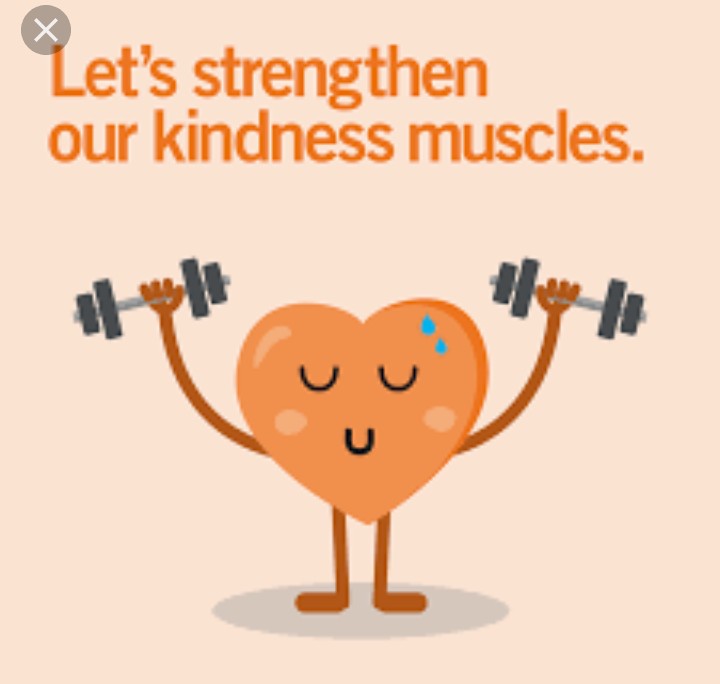
The good news is that compassion is like a muscle that can be strengthened with practice.
Be Kind to Yourself! Effect of Kindness to Our Mental Health 3
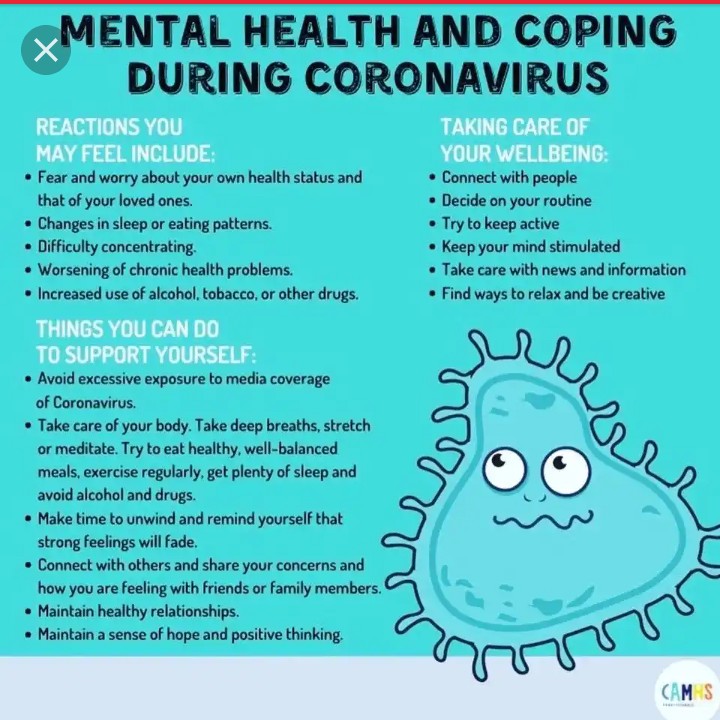
HOW TO ENCOURAGE KINDNESS
You can encourage kindness through:
Modeling acts of kindness
Giving responsibilities and opportunities
Inspiring positive actions toward others
Teaching empathy and compassion
Notice the list does not include rewards. Perhaps that speaks to the better angels of nature. People are good for goodness’s sake, not for applause.
WHAT GET IN A WAY OF KINDNESS?
You may encounter many stumbling blocks on the path of showing kindness to others. For example:
External rewards
Self-interest (you can’t give to get)
Risk to self or others (it requires bravery to risk being rebuffed)
Lack of confidence
Not being aware of others; too busy and distracted
Negative emotions
Hunger
Fatigue
Any one of these complications may stop you (even temporarily) from receiving or showing kindness. Being aware of your circumstances is the first way to counteract these (hopefully temporary) stops on your kindness journey.
KINDNESS TO ONESELF
When kindness is authentically given and received it lifts the well-being and mood of everyone involved. There’s no downside or side effect of positive feelings. Kindness is good. It’s important to be kind to yourself first. Whatever you can manage today is good enough. Some people feel that the lockdown is giving them the time and chance to learn new skills or try new things. That may be you, and if so, enjoy and celebrate that. If this isn’t you, try not to beat yourself up about what you see others doing. If things are hard right now, try and find some small things to celebrate each day. Getting up and washing your hair can be just as much of an achievement as someone else posting about a 5k run on Instagram. Try to tune out the voice of judgement and comparison and tune in to the voice that says you are enough.
Be kind to yourself; Prioritise some “me” time, so you can relax and reflect on how you’re feeling and how your day or week has been so far. Turn off from your social media channels for a day, or even a week. Treat yourself to something small, such as buying or planting some flowers. Do something you enjoy, like listening to a favourite song or dancing in your kitchen. Spend some time in nature, which is good for our mental health.
RECIEVING KINDNESS
If you are like most people, you probably find it easier to be kind than to be on the receiving act of a kind act. When someone compliments you, do you reply, “it was nothing” or “no problem” ? Many people have adopted this learned behavior as a way of being humble, but what this actually does is constrict the flow of the energy of giving and receiving. If someone gives you a compliment, not receiving it stops its power for both the giver and the receiver. Sometimes receiving kindness and compassion can feel threatening, as though the one being kind is somehow superior. If you notice you have trouble receiving gifts, compliments, or acts of generosity and love, spend some time reflecting on why. Who taught you to behave this way? Is it serving you and those around you?
Conclusively, If there was one magical cure for many of the woes of the world, it might be the power of kindness. When the epidemic of stress, anxiety, and depression threatens to overload the medical system and impede progress toward a greater sense of common humanity, and when the world can seem more divided than united, giving and receiving kindness is a way to connect at a deeper level. Kindness is a means of acknowledging that the needs of others are worthy of attention and that actions on their behalf are meaningful. Now is the time to re-imagine a kinder society that better protects our mental health. Mother Teresa obeseverd that “A life not lived for others is not a life.”
If you have a story of how a kind act made a difference in your life, please share it in the comments below. You never know how your story might impact the life of another.
Kindly subscribe to our blog to enjoy more educating articles about mental health and other related issues by following the link below: womansupportingwoman.family.blog
Benefit of Kindness! Effect of Kindness to our Mental Health 2
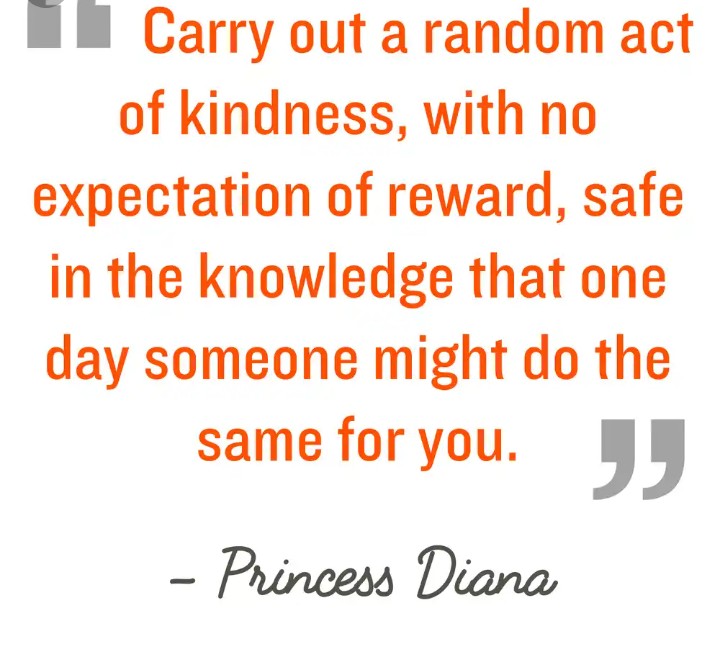
Imagine if we build kindness into our business decisions, government policy and official systems in a way that supports everyone’s mental health am sure it will reduces discrimination and inequality. But that can start by individual commitments to showing kindness in our words and our actions. Kindness, therefore, is not just an emotion, but is defined by our actions. These“acts of kindness” do not have to be grand gestures. Listening to and being with someone as they talk about a bad day, holding the door for someone who has their arms full, or being accepting towards those around us can all be acts of kindness.
BENEFIT OF KINDNESS
- The more you do for others, the more you do for yourself . The benefits of helping others can last long after the act itself, for those offering kindness, and those who benefit. This, in turn, can improve our self-esteem.
- Biologically, kindness releases chemicals like the “love hormone,” oxytocin, which helps us form social bonds based on trust. While being kind benefits us socially, there are also biological reasons why kindness improves our mental health. Our brains reward us when we do kind things. If you comfort someone who has lost a loved one, your brain may release oxytocin, a hormone that helps us bond with others. Oxytocin makes us more trusting, generous, and friendly. Additionally, kind actions signal our brains to release serotonin and dopamine, two chemicals involved in creating “helper’s high” and lessening pain, depression, and anxiety.
- It helps to make the world a happier place – one act of kindness can often lead to more! Acts of kindness have the potential to make the world a happier place. An act of kindness can boost feelings of confidence, being in control, happiness and optimism. They may also encourage others to repeat the good deeds they’ve experienced themselves – contributing to a more positive community.
- Helping others feels good . Studies have found that acts of kindness are linked to increased feelings of wellbeing. Helping others can also improve our support networks and encourage us to be more active. This, in turn, can improve our self-esteem. There is some evidence to suggest that when we help others, it can promote changes in the brain that are linked with happiness.
- It releases positivity: We feel better and the recipients of our acts feel better, which then makes them more likely to be kind to other people.
Kindly subscribe to our blog to enjoy more educating articles about mental health and other related issues by following the link below: womansupportingwoman.family.blog
Effect of Kindness to our Mental Health 1
We all have so much going on in our lives - including competing strains and stresses – not to mention the current coronavirus pandemic. This can see kindness pushed to one side, in favour of what is urgent or trending now. Kindness can be easy to signal online but in reality how is how kindness level? Are we kind to ourselves, our neighbors and those in need? If we take the time to be kind to other people, we can reap the emotional dividends. It can really make a difference and especially for people who are vulnerable or struggling. Kindness is a universal language that can be used to connect our world—an invisible thread tying each living person together. It is defined in every language and culture, and the core definition usually includes generosity, helping and giving to others. It is a simple and powerful social tool that bridges the gaps between all the cultural and legal borders of the world’s nations.
DEFINITION OF KINDNESS
Kindness is choosing to do something that helps others or yourself, motivated by genuine warm feelings. Kindness, or doing good, often means putting other people’s needs before our own. It could be by smiling to a begger, or by offering your seat on a bus to someone who might need it more, or offering to make a cup of tea for someone at work. Evidence shows that helping others can also benefit our own mental health and wellbeing. For example, it can reduce stress as well as improve mood, self-esteem and happiness. Karina Arias LCSW, a licensed clinical social worker at PIH Health’s Psychiatry and Behavioral Health Clinic also says, Kindness means actions that are selfless or a mindset that puts others’ well-being before our own. Psychologically, acts of kindness make us feel grateful, empathetic, and compassionate. These are positive feelings that give us a sense of belonging and community.“Kind actions can boost our mental and spiritual happiness, kindness makes us feel like we belong to a community. Knowing we are connected with those with whom we live and work wards off feelings of loneliness that can bring down our mood.
Kindly subscribe to our blog to enjoy more educating articles about mental health and other related issues by following the link below: womansupportingwoman.family.blog.
Rape is Brutality!

The act of rape have become a common immoral act in our society. There is always a new report of rape almost everyday and to all level of age among feminine.
The word rape is defines by the Black’s Law Dictionary as an ‘’ unlawful sexual activities especially intercourse with a person usually a female without consent and by force or threat of injury’’.
The criminal code also defines the offence of Rape in a similar manner. The code states thus:
‘’Any person who has unlawful carnal knowledge of a woman or girl without her consent or with her consent, if the consent is obtained by force or by means of threat or, intimidation of any kind, or by fear of harm, or by means of false and fraudulent representation as to be nature of the act, or in the case of a married woman, by impersonating her husband, is guilty of an offence which is called rape.
The act of rape only takes 5 minutes for guys, unfortunately, its a lifetime for her. Anyone who takes solace in the pain of another should not be regard as human talkless of an animal. That person is a beast and evil. Situations shows that animals are compassionate. If you are giving reasons or excuses for rape maybe as a rape apologist, am not sorry to say you are a BEAST.
IMPORTANT OF PARENTAL GUIDE
Parents are important in the existence of a child. They are the backbone of the child and the person a child become is mainly determine by his/her background. We already live in a society that teaches women to be careful not to get raped instead of teaching men not to rape. There is no amount of morals you can teach a girl child that will stop rape if you don’t teach the boy child that he has no right to anyone’s body. Parent needs to teach there male child not to be bossy, domineering and authoritative alone, they should be taught compassion, vulnerability, feeling, love and emotions, how do you teach? You show them by practicing and preaching the good act constantly in there presence. They should be taught that gold and diamond aren’t enough to replace a lady or a female child.
Traditionally, everyone has a role to play, hating rape isn’t a feminist thing, it’s a person with common sense thing. In a society where women are regarded as objects or as inferior to men, rape has a higher tendency to thrive. The act of rape also thrive where male regards the status of a female as insignificant or a male’s property. A male change growing up with such barbaric and brutality mindset doesn’t see the need for consent because to him consent is a sign of weakness. Literally, it not about how we talk or acts, it’s not the kind of clothes we wear, it’s not about the kind of places we go. Uwa as a case study was raped in church, properly dressed!

STIGMATIZATION
Rapist should be the one with the stigma, not the victim. Like we always tell victim not to be silent about it, yes we know it hurt, we know how degrading it is, we know how heartbroken and devasting it is but please SPEAK UP. The beasts in animal forms should be ashamed of their horrific and evil act not YOU. Yes, we know how hard it is to prove a rape case in Nigeria, but shame will go a long way. If you can’t disgrace him personally cause of his status in life (rich or famous), do it through a friend or group of friends. I will recommend a Movie titled; Double Mommy by Johnson Production Group.
On a final note, if you’ve never had to worry about your safety when calling a taxify or an Uber, then shut up and let women grieve. If you’ve never been scared of your uncle’s and cousins doing dirty things with your baby, then let women be angry. If you have the privilege of not knowing a close friend who has suffered domestic violence, sexual, emotional and physical violence from close family members, neighbours and intimate partners then don’t dare blame women who are fed up with this trend and if you are not speaking up on the high femicide rates in Nigeria and standing with every angry pained, scared women right now then give us space to process these emotions.
NomeansNo
Menstrual Hygiene Day(28\5) #Period in Pandemic#
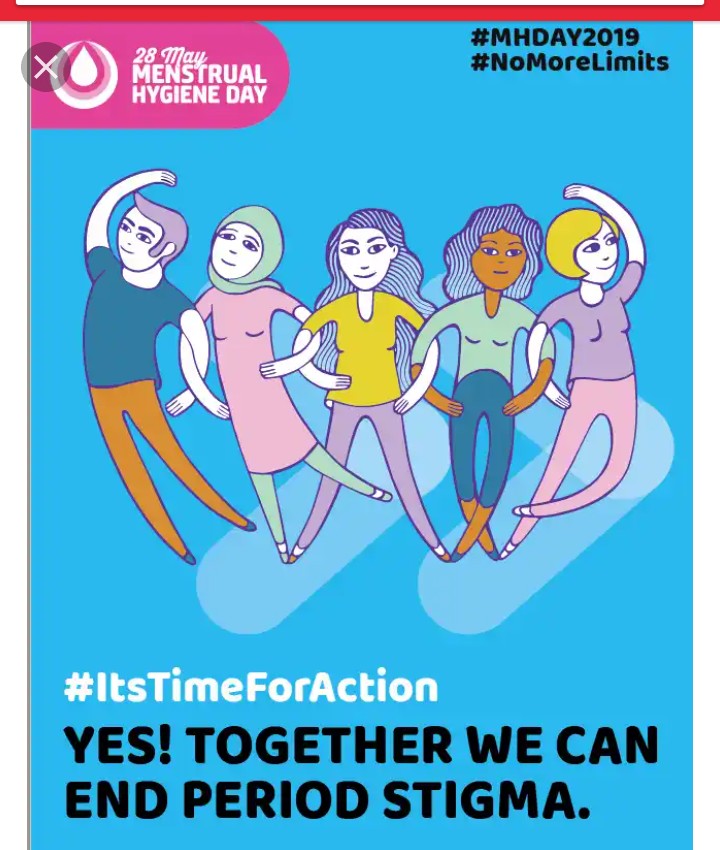
Yesterday was Menstrual Hygiene Day but am posting it today because its better late than never. I want to send a message to everyone out there that Menstruation problems are bigger than polio….. Its everybody’s business because if one girl or one woman is infected, she can infect others too. We also need to break the silence by educating our young girls especially and all woman generally about cleanliness of genital area and access to safe menstrual hygiene products, we should make them understand that it can reduce their incidents of infection up to 97%. Let make it our daily task to enlighten any female child around us and any woman about Menstrual Hygiene that without the discomfort and pain associated with infections, women can enjoy stress-free periods and continue
participating in all day to day activities.
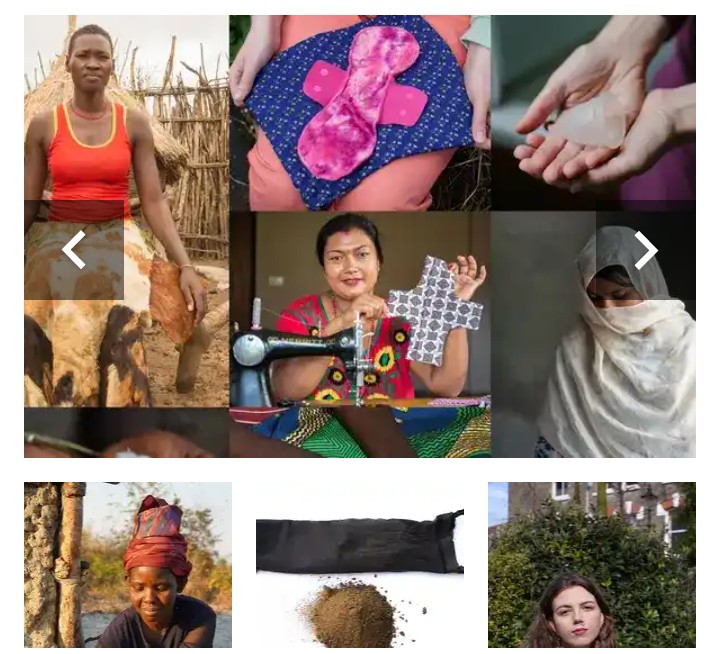
Maintaining hygiene during periods is an healthy way to manage periods. It’s sad that while pregnancy is a celebratory topic, menstruation is considered as a dark phase which is supposed to be dealt with secretly.
Let celebrate our “period” like we celebrate our pregnancy…..
What is Menstruation?
Its a normal biological process which is key in maintaining the reproduction health of a woman. When the egg released by the ovary is not fertilised, the egg along with the uterine lining which was prepared for receiving the implantation of a fertilised egg is sloughed off and shed out of the body. This waste contains blood, mucous and lining tissues and is collectively called menstrual blood.
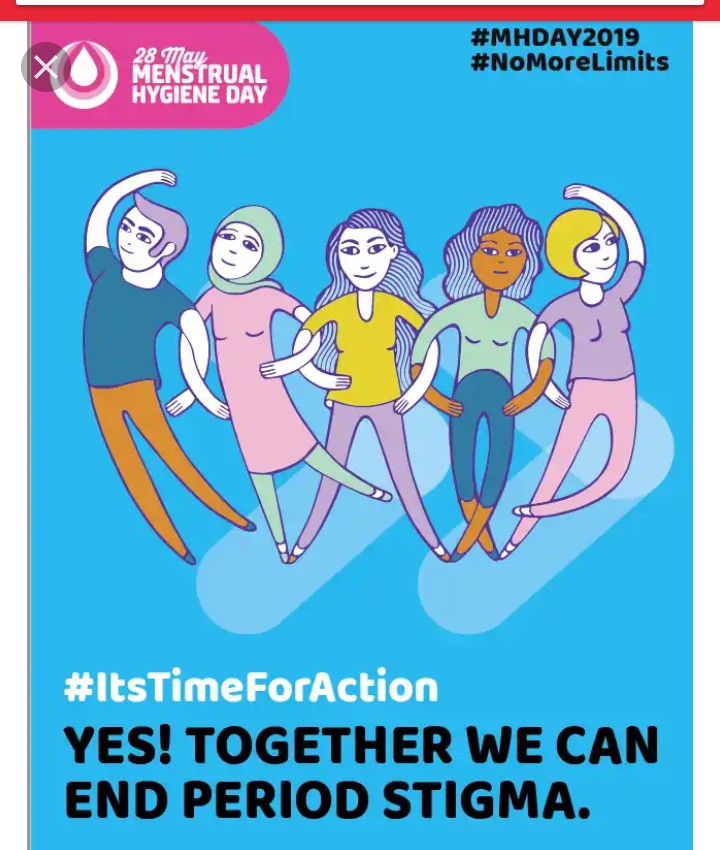
World Menstrual Hygiene Day is observed on May 28. The main idea behind marking this day is to change the social stigma associated with menstruation. The date May 28 was chosen to observe the day because on an average the menstrual cycle for most women is 28 days and the menstruation period for most women is for five days. Hence, the date was kept as 28/5.
World Menstrual Hygiene Day 2020 theme is‘Periods in Pandemic’. The idea behind choosing this theme is to highlight how the challenges faced by women during menstruation have worsened due to the ongoing pandemic.
In a tweet, UNICEF said, “Periods don’t stop for pandemics – it’s every girl’s right to manage her period safely and with dignity. #MenstruationMatters #MHDay2020″
Taking care of yourself during menstruation is as important as taking care of your day to day activities. A little negligence in menstrual hygiene management can cause your body grievous harm, and you may also act as an instrument for the spread of infection to others.
Menstrual Hygiene Product
In today’s age, when several menstrual hygiene products like sanitary napkins, tampons, and menstrual cups are available; we thank God that 80% of Nigerian women now use the most basic form of menstrual protection available in markets. Instead of the ancient ways which is usage of old rags, muds, leaves or anything they lay their hand on to collect menstrual blood. But the remaining 20% is actually going through lot of inconvenience and health risks for not having access to Menstrual hygiene product as they continue to use this ancient unhygienic means of collecting menstrual blood for not having access to sanitary napkins.
Feminine hygiene products are personal care products used during menstruation, vaginal discharge , and other bodily functions related to the vulva and vagina . Those products that are used during menstruation may also be called
menstrual hygiene products . Products used may include sanitary napkins or sanitary towels, tampons, pantyliner , menstrual cups , and period panties . Feminine hygiene products also include products meant to cleanse the vulva or vagina, such as douches , feminine wipes , and soap.
Feminine hygiene products that are meant to cleanse may lead to allergic reaction and irritation, as the vagina naturally flushes out bacteria. Many health professionals advise against douching because it can change the balance of vaginal flora and acidity.
Types of Menstrual Hygiene Product;
Disposable and Reusable
Disposable:
Pantyliner : Sticks to the inside of underwear to absorb blood and uterine lining during menstruation, sometimes worn with a tampon or for light discharge.
Sanitary napkin (Pad): Can be worn on the inside of underwear to absorb a heavier menstrual flow. Available in many different absorbency and lengths, with or without wings.
Tampon : Worn inside the vagina to absorb menstrual blood, can also be worn while swimming. Available in different levels of absorbency.
Reusable:
Menstrual cup : Worn inside of the vagina to catch blood/uterine lining.
Cloth menstrual pad : Worn inside of underwear.
Period panties : Absorbent underwear.
Menstrual sponge : Inserted like a tampon or cup and worn inside the body.
Cleansing products
Douches : A fluid used to flush out the inside of the vagina.
Feminine wipes : A moist, sometimes scented cloth used to wipe the vulva.
Unscented soap: A gentle way to wash the vulva to minimize the risk of irritation.

Risks
The different products may carry some health risks, some of which might be proven, others speculative.
Toxic Shock Syndrome : A rare illness that may occur when tampons are worn for long periods of time, although not directly linked to tampon use but caused by poison linked to bacteria of the Streptococcus pyogenesis or Staphylococcus aureus type.
Irritation: Can be caused by fragrances, neomycin (adhesive on pads), tea tree oil, benzocaine. Inflammation can also be a risk associated with some products.
Yeast infection : A fungus.
CONCLUSION
Changing sanitary napkins every 4 hours and washing hands every time sanitary napkin is changed, are small but significant steps towards ensuring good hygiene during periods. #periodinpandemic# #MHD2020#
 Female Guide
You must be logged in to post a comment.